
With Eleanor Amari

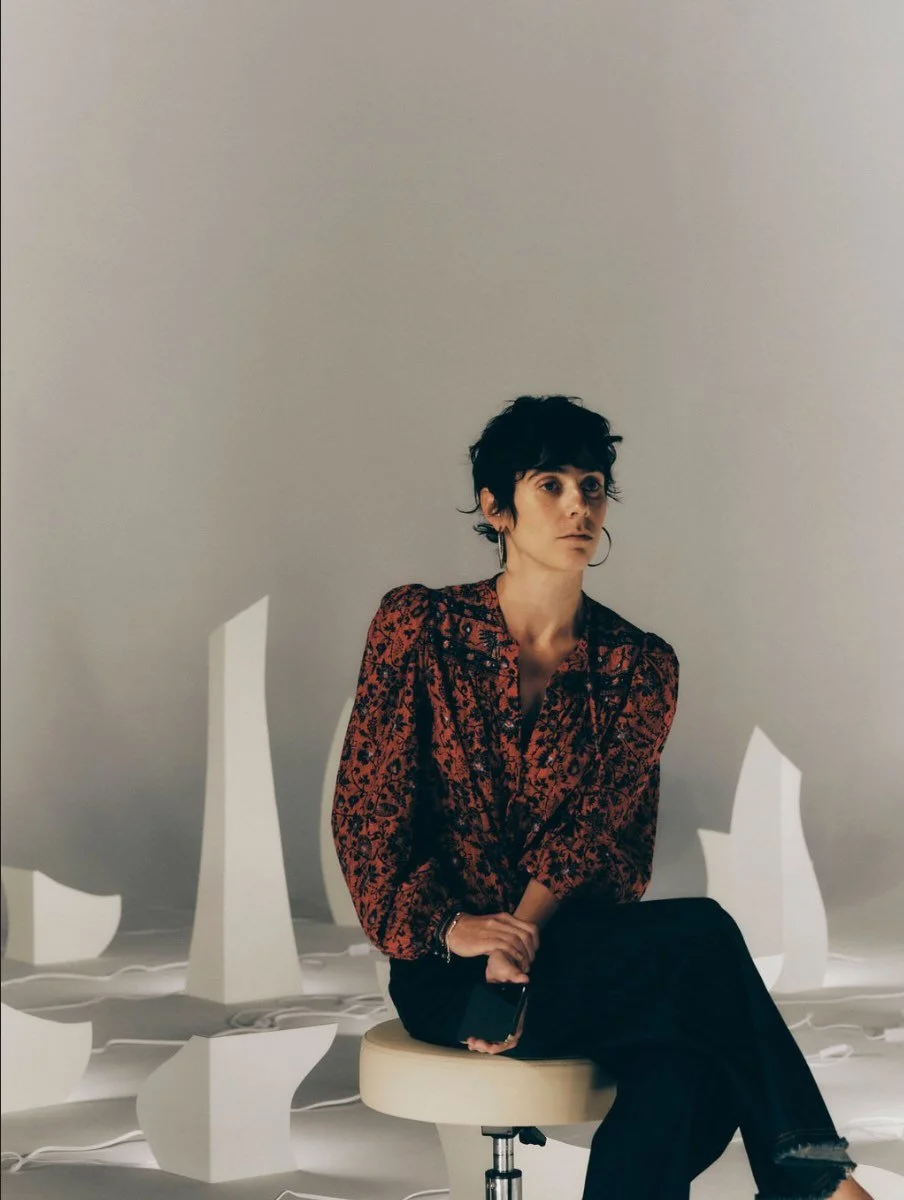
Eleanor Amari on Creative Vision, Brand Culture, and Why Most Content Falls Flat
Eleanor Amari has built her career at the intersection of architecture, design, and brand. From early experience at SOM, to shaping communications inside Kelly Wearstler’s studio, to serving as Creative Director at DADA Goldberg, she has operated behind the scenes of some of the most visible names in the design world. Her work has spanned social architecture, brand systems, real estate marketing, personality-driven storytelling, and cultural positioning.
Now, as she steps into her own chapter, Eleanor reflects on what it means to build a brand around a person, how digital presence has evolved from aesthetic to ecosystem, and why so much content that “looks good” ultimately falls flat. In this conversation, she talks about authorship, creative authority, brand culture, and what actually makes work resonate beyond the scroll.
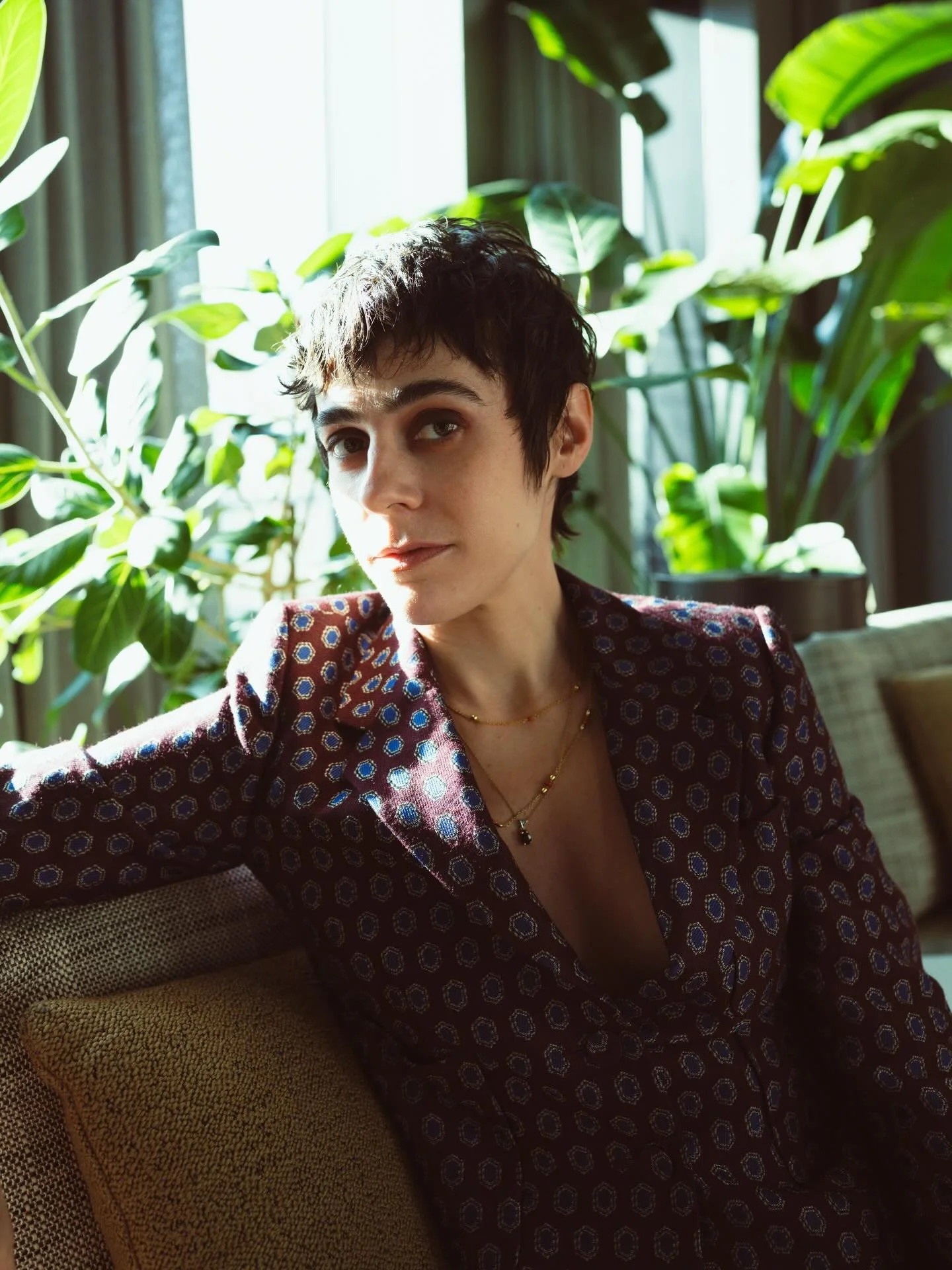
Can you describe a day in the life working at kelly wearstler?
A day in the life was having like eight to ten possible pieces of content at any given moment. And that includes the new ideation of content and the death of content that I had been developing. So it was basically being ready for any whimsical need.
And ultimately, her brand resonates. So you had to be ready to move quickly, pivot quickly, and interpret what she was asking for in real time. There wasn’t really a static rhythm. It was constant motion.
What was it like working at Kelly Wearstler?
Working at Kelly was a creative unlocking. She’s a can’t-stop, won’t-stop entrepreneur. The grind is intensive. There were always multiple projects happening at once, and there was energy behind all of them. Stagnation was never really a sensation in that studio.
On one side of the office were the architects and interior designers. On the other side was this blend of commercial line creatives and marketing. And everything revolved around her. When the person is the brand, all key decisions go through that person.
It was highly iterative. You’d bring something to her, she’d sharpen it, you’d go back, reinterpret, bring multiple versions. Extremely fast-paced. But what I learned most was her commitment to specificity. If she could see it, it had to be done. You have to admit to the creative vision.
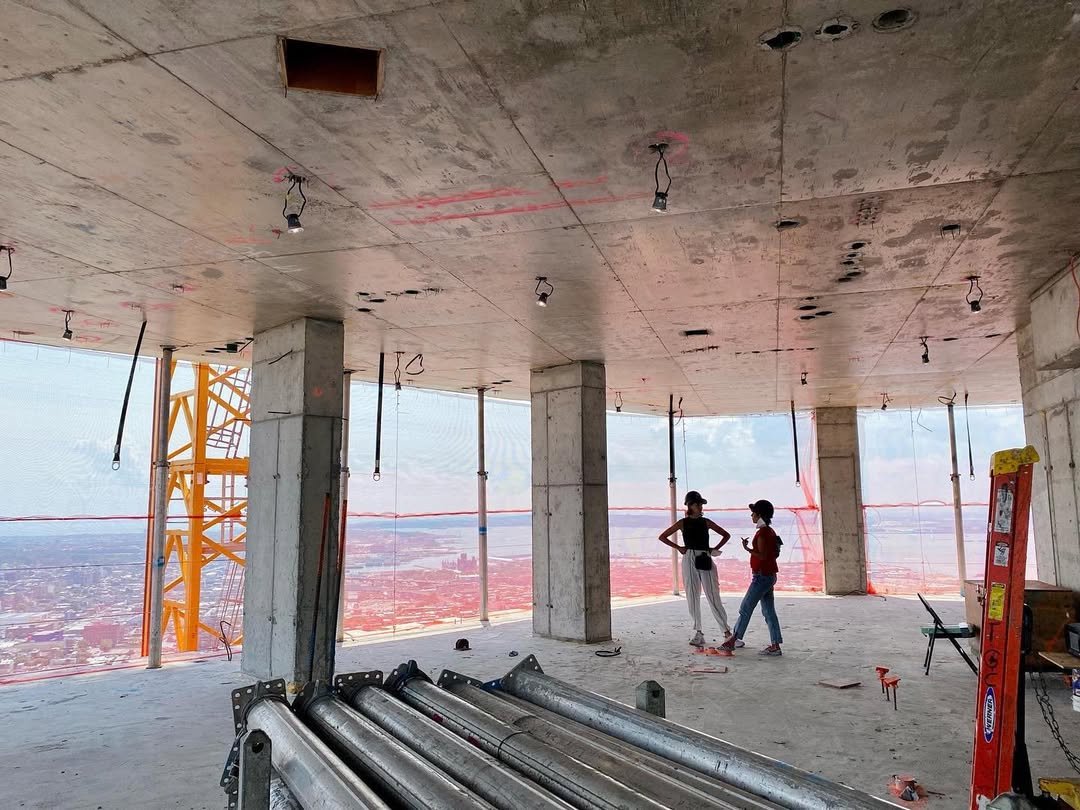
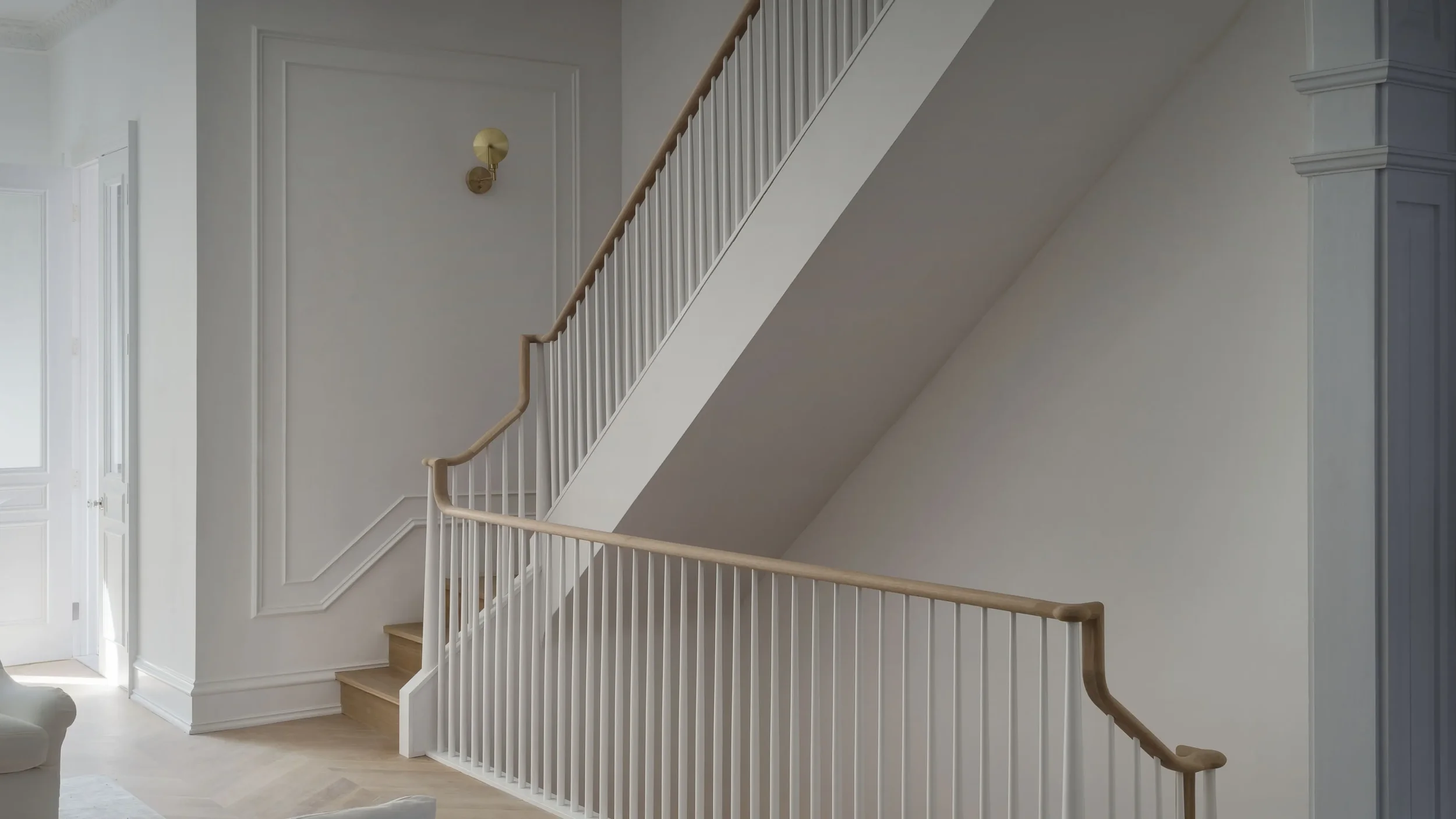
What was the most meaningful project you worked on at Kelly Wearstler?
Honestly, the biggest project was building the foundation for what I later created at DADA.
We developed a social media template program. Editorial layouts, typography mixed with photography, structured swipe-throughs. It had this underpinning of magazine architecture. At the time, that level of digital brand architecture wasn’t everywhere like it is now.
That project helped me realize there was real desire for brands to feel “buttoned up” digitally. It created enough momentum to build a team and generate revenue, and to let creatives express narratives on behalf of clients.
Now, you can barely be a brand without strong digital branding. But back then, it required belief.
Can you talk about a couple of projects at DADA GOLDBERG that shaped you creatively?
At DADA, about 50 percent of our portfolio was real estate.
One of our first big breakthrough projects was The Brooklyn Tower. They were willing to take risks. We created something bold, something different. It was a scale shift for us.
I always think of social media as the living, breathing brand. So we built ecosystems. Model residences. Neighborhood guides. Spotlighting local businesses. Video. Timelapse. Community engagement with branded covers that framed reposted content.
It wasn’t just posts. It was creating a frame of mind.
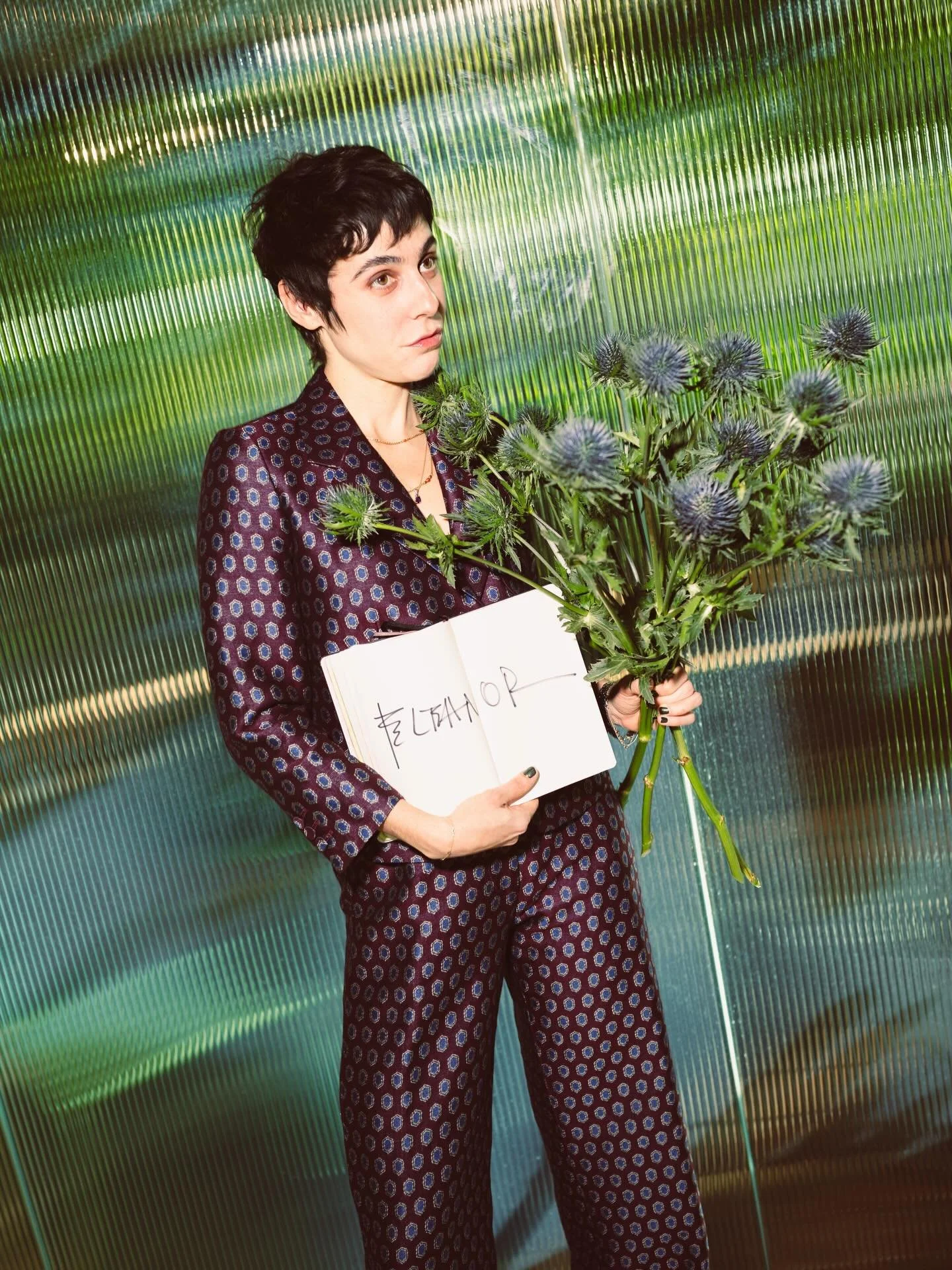
What’s actually driving awareness right now?
I think it’s ecosystem.
Content that exists online and offline. I don’t think building a brand purely online is enough anymore. You need relationships behind it. You need real community.
Volume for the sake of volume isn’t sustainable. People are more aware of how addictive social media is. There’s going to be an inflection point.
So content has to be interesting. It has to resonate. It has to portray authentic values. And it has to connect back to real life. An event. A gathering. A shared experience.
Otherwise, it’s just noise.
What’s the difference between content that looks good and content that works?
I love this question.
Content that looks good is a wide net. There’s a lot of cool, shiny things.
Content that works shapes your perception.
Beautiful photography and videography are the baseboard. That part is underestimated. But content works when it moves perception. When it clarifies positioning. When it shapes desire.
If it doesn’t shift how you see something, it’s just aesthetic.
How do you balance creative instinct with marketing logic?
This is the razor’s edge.
A creative follows feeling. Intuition. Resonance.
A marketer follows analytics and data. And usually fears alienating people.
The sweet spot is in the middle.
If it’s 100 percent art, like pure abstraction, it floats. If it’s 70 percent marketing brain, it becomes oversaturated and loses feeling.
You have to shave off just enough abstraction to integrate positioning, without killing the soul of it.
If you had a blank slate with a real estate developer, what would you pitch?

What happens when clients don’t trust the creative direction?
It breaks the project.
You can’t fabricate culture. If a brand wants to appear culturally embedded but doesn’t actually participate in that world, it shows.
And sometimes clients over-edit a concept, Frankenstein it, and eventually come back to the original idea. But by then, it’s taken longer and lost energy.
When clients commit, the work sings. When they hesitate, it drags.
I’d shrink the expected rulebook deliverables and redirect that budget into something more associative.
Who are the faces connected to this building? Models? Local business owners? Cultural figures?
I love documentary-style storytelling. Even a single post can feel narrative-driven. Or you can build episodic long-form.
Real estate marketing has a rulebook, whether they admit it or not. I’d streamline that part and use the rest of the budget to get experimental and emotionally resonant.
Narrative builds desire more than square footage ever will.